Kitchen Tips

Southern Bake & Eats
Essential Kitchen Tips & Techniques
Whether you are a beginner or a seasoned cook, mastering a few fundamental kitchen techniques can make cooking easier, safer, and more enjoyable. In this section, we cover tips for preparation, cooking, baking, storage, and cleanup to help you feel confident in your kitchen.
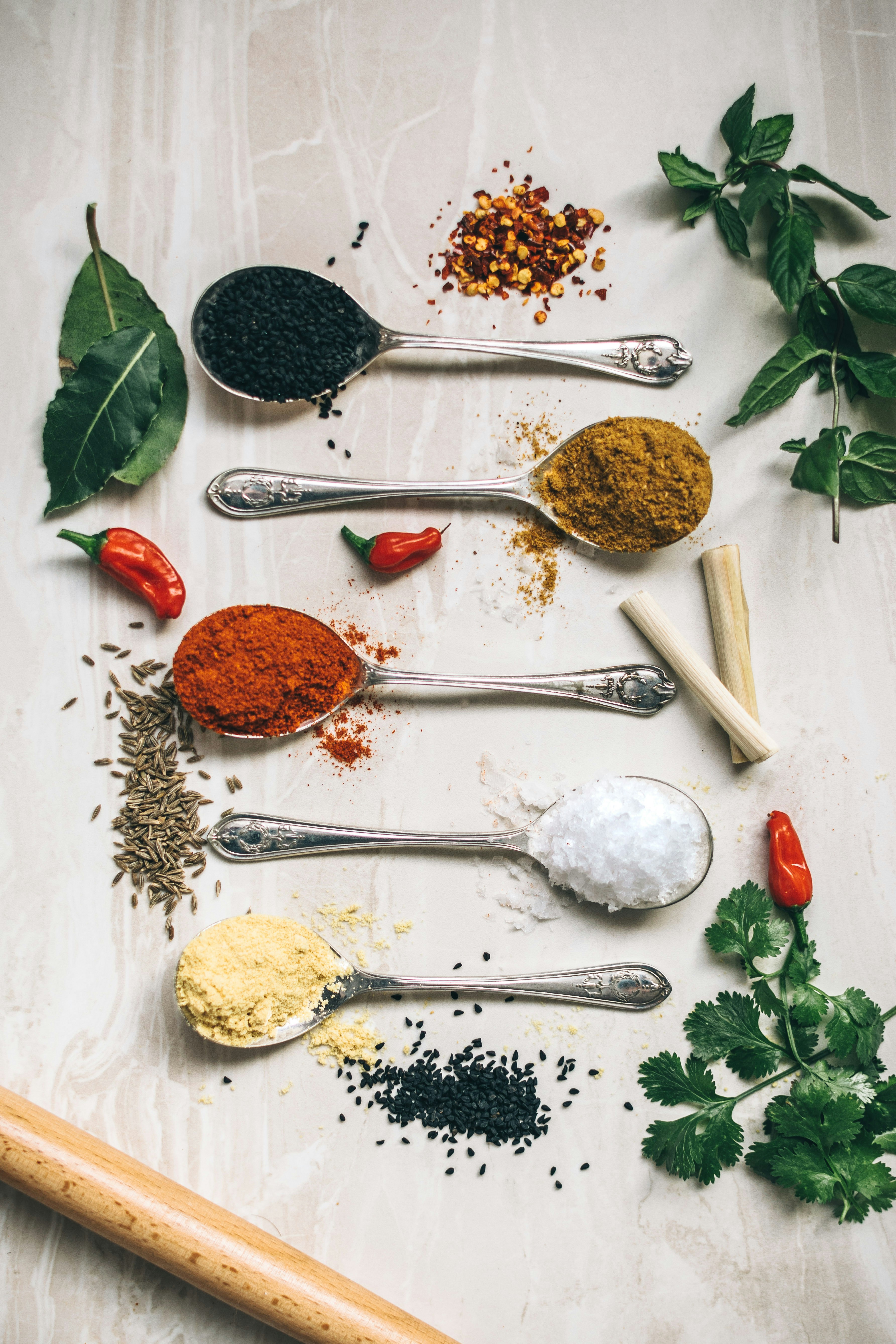
1. Efficient Kitchen Preparation
The key to smooth cooking begins long before the first ingredient touches the pan. Proper preparation ensures you can focus on cooking and reduces mistakes. Follow these tips to stay organized:
- Mise en place: Measure and organize all ingredients before starting. It reduces stress and keeps the workflow smooth.
- Prep tools: Have cutting boards, knives, bowls, and measuring tools ready before you begin.
- Ingredient readiness: Soften butter, bring meats to room temperature, or soak beans ahead of time to save cooking time.
- Label & portion: Pre-portion ingredients into small bowls or containers to speed up the cooking process.

2. Cutting & Chopping Techniques
Proper knife skills can save time and make your dishes look professional. Here are some helpful tips:
- Use the right knife: Chef’s knife for chopping, paring knife for peeling, serrated for bread.
- Keep knives sharp: Dull knives are dangerous and crush ingredients instead of slicing them.
- Chop consistently: Even sizes ensure even cooking and better presentation.
- Safety first: Use the claw grip with fingers tucked in to protect against cuts.

3. Baking Tips for Consistent Results
Baking is both science and art. Follow these guidelines for reliable results every time:
- Measure accurately: Use a kitchen scale for precision; spoon-and-level method works best for dry ingredients.
- Temperature matters: Room-temperature butter and eggs incorporate better and improve texture.
- Don't overmix: Overmixing batters can create tough baked goods. Mix until just combined.
- Use proper pans: Non-stick or lined pans prevent sticking and ensure even baking.
- Oven calibration: Use an oven thermometer to make sure your oven is accurate.

4. Everyday Cooking Tips
Cooking efficiently is not just about speed, but also about flavor. Use these tips for consistent meals:
- Seasoning layers: Add salt in stages; it enhances depth and flavor.
- Rest meat: Let cooked proteins rest 5–10 minutes to retain juices.
- Pan care: Don’t overcrowd pans to prevent steaming and allow proper browning.
- Heat control: Adjust heat gradually; medium-low often works best for even cooking.
5. Storage & Clean-Up Tips
Organizing your kitchen and storing food properly ensures freshness and safety. Efficient cleanup keeps the kitchen ready for your next cooking session:
- Label leftovers: Include contents and date to track freshness.
- Use airtight containers: Keeps food fresher longer and prevents odors from spreading.
- Clean as you go: Wash tools and wipe counters to avoid a messy kitchen at the end.
- Organize pantry: Keep frequently used ingredients accessible; group similar items together.


Comments
Post a Comment